Using active imaging to find ‘hidden’ heart conditions
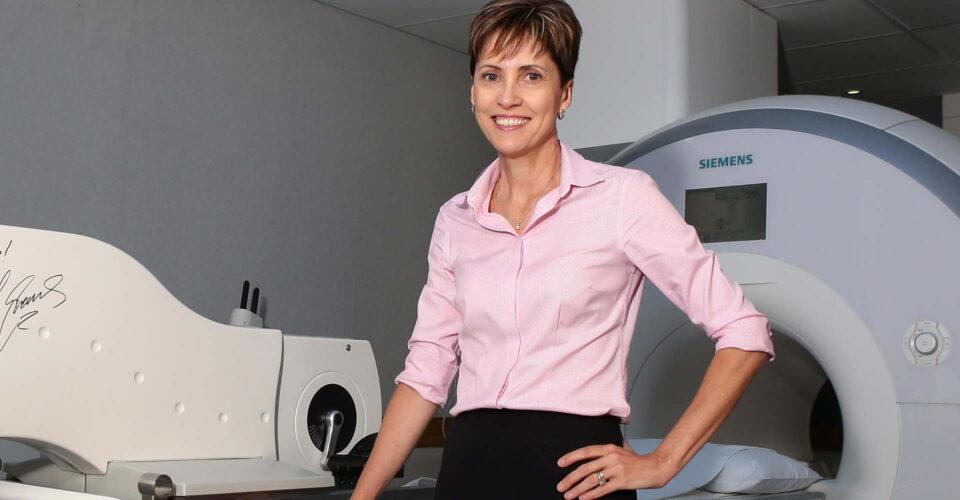
Currently MRIs for heart disease only look at the heart under resting conditions, with patients lying down in the machine and remaining completely still. While this technique has been critical in identifying thousands of heart conditions, Dr Wendy Strugnell and her team believe we can do better – and possibly begin to identify heart conditions that would otherwise go unnoticed.
In this innovative study, getting patients to ride a bike while inside the MRI machine, Dr Strugnell hopes to highlight and identify a range of heart diseases that rear their ugly heads only when a patient is active.
If successful this new diagnosis tool could be used throughout Australia and throughout the world to identify heart diseases that may otherwise go unnoticed until it was too late.
Research at The Prince Charles Hospital offering hope for earlier detection of silicosis, a serious lung disease caused by silica dust exposure in construction, mining, tunnelling and stonemasonry.
Brisbane Chain Reaction Challenge 2026: In May, some of the riders visited The Prince Charles Hospital to hear from the Child Life Therapists first-hand.
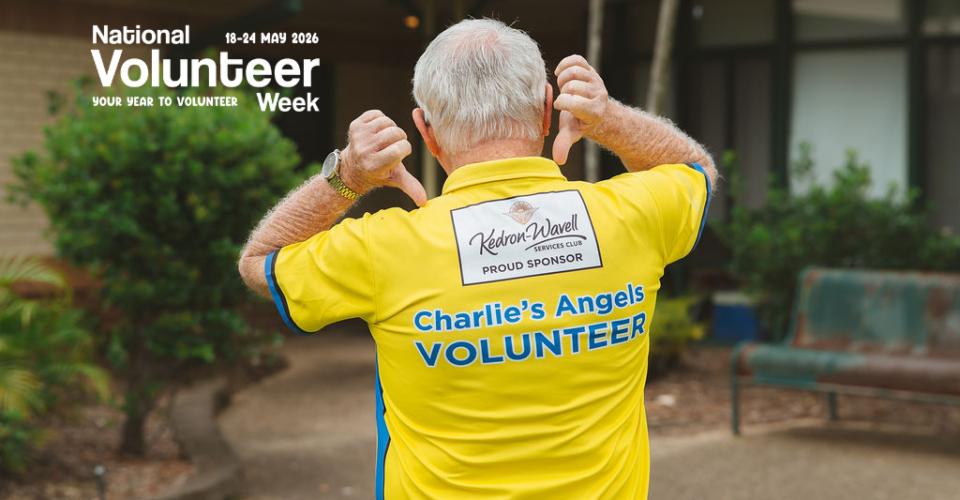
National Volunteer Week Australia 2026: We will introduce you to a small number of volunteers who are currently helping us to make a meaningful difference.
Generous individuals who have chosen to leave a gift in their Will to the Foundation will receive a special oil painting as a reminder of the enduring impact of their decision.
Professor Gregory Scalia AMProfessor Gregory Scalia AM first stepped into The Prince Charles Hospital as a registrar in the early 90s. Now, as the hospital’s long-standing Director of Echocardiography, he has dedicated most of his career to ensuring that complex cardiac diagnoses are accessible to a much larger portion of the population through echocardiography
In this blog, we introduce you to our 2025 Research Fellowship recipients and share insights into their work and why their investigations are so important.