Reducing blood transfusion fatalities
Hospital Care

Reducing blood transfusion fatalities

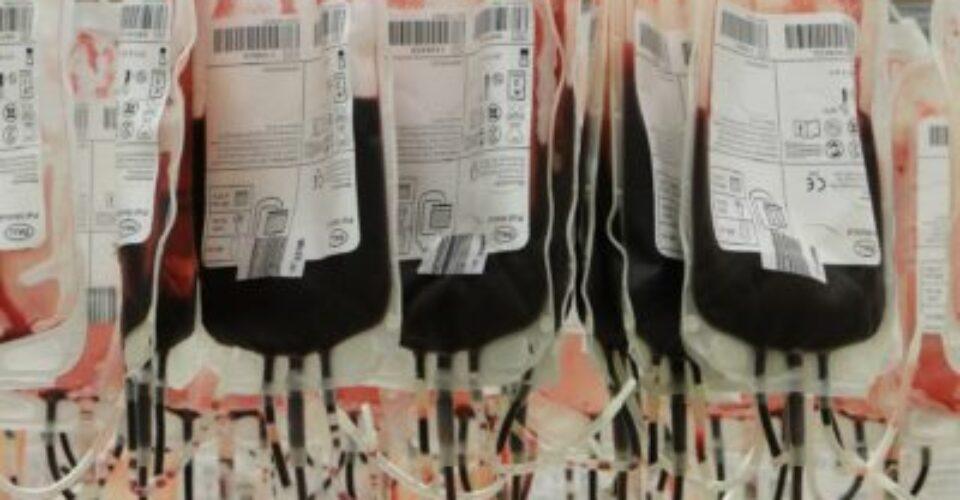
Approximately 40% patients undergoing cardiac surgery alone will require a blood transfusion at The Prince Charles Hospital alone. It has been found that these patients have an increased risk infection and even death than those who do not receive a blood transfusion. But why is this the case?

There is some evidence that prolonged storage of the blood used for transfusion may be attributed to the adverse effects transfusion can have on patients. This adverse effect may be related to the inflammatory response within the body that can occur post transfusion.

Monica is well into her PhD which is based on finding how we can improve the shelf-life of donated blood, while reducing the number of complications associated with transfusions.

This multiple stage project will be investigating the safety of blood products, with a plan to identifying when they may develop inflammatory and thrombogenic microparticles during storage as well as pinpointing the location and cause of transfusion reactions that cause, what can be fatal, complications in patients.

Monica hopes her findings will lead to the development effective safety guidelines for blood storage and transfusion – including how long patients need to stay in the ICU post transfusion. As well as the ability to develop targets for future intervention treatments for patients experiencing complications associated with transfusion – both of which could significantly improve patient outcomes and save lives.

Support The Common Good here.

Published: July 29, 2019

Related news & events

Professor Gregory Scalia AM

Researcher Stories

Professor Gregory Scalia AM

Professor Gregory Scalia AM

Find out more

Meet the 2025 Research Fellowship Recipients

Research Grants

Meet the 2025 Research Fellowship Recipients

In this blog, we introduce you to our 2025 Research Fellowship recipients and share insights into their work and why their investigations are so important.

Find out more

Key Indicators of Cognitive Impairment in Patients with Obstructive Sleep Apnoea

Ageing

Key Indicators of Cognitive Impairment in Patients with Obstructive Sleep Apnoea

“There’s emerging evidence that links poor sleep to the development of dementia – particularly Alzheimer’s disease,” said Dr Irene Szollosi.

Find out more

Carl Francia, PhD candidate

Researcher Stories

Carl Francia, PhD candidate

PhD candidate Carl Francia first observed the disproportionate impact of Acute Rheumatic Fever and RHD on Indigenous Australians while working as a physiotherapist in 2022.

Find out more

TPCH Researcher of the Year 2024, Dr Ieuan Evans

Researcher Stories

TPCH Researcher of the Year 2024, Dr Ieuan Evans

TPCH Researcher of the Year 2024, Dr Ieuan Evans

Find out more

Enhancing patient recovery with Memory Lane 

Ageing

Enhancing patient recovery with Memory Lane 

The hospital’s Occupational Therapy department enlisted the help of some fourth-year UQ students to complete a joint project aimed at promoting Memory Lane and gathering feedback on its usage.

Find out more

Jacarandas and The Prince Charles Hospital

The Common Good

Jacarandas and The Prince Charles Hospital

Over the past several decades on The Prince Charles Hospital’s campus, Jacaranda trees have offered shade and shelter from the elements, as well as a beautiful spot for people to gather outside the clinical environments.

Find out more

The Prince Charles Hospital’s 2025 Giving Day

The Common Good

The Prince Charles Hospital’s 2025 Giving Day

Over $162,000 was raised for The Prince Charles Hospital at our fifth annual Giving Day, thanks to our special community.

Find out more

National Safe Work Month 2025

Lung Disease

National Safe Work Month 2025

National Safe Work Month 2025: This campaign raises awareness of Workplace Health and Safety and provides workplaces around the country with guidance and resources. More here.

Find out more